






 Send Inquiry
BONDIT 151 Gypsum Bonding Agent
Price 135.0 INR/ Liter
BONDIT 151 Gypsum Bonding Agent Specification
- Adhesive Type
- Solvent Adhesive
- Shelf Life
- 12 Months
- Form
- Pate
- Purity
- High
- Color
- White
BONDIT 151 Gypsum Bonding Agent Trade Information
- Minimum Order Quantity
- 1000 Liters
- Sample Available
- No
- Sample Policy
- Free samples available with shipping and taxes paid by the buyer
- Packaging Details
- 20 kg Bucket
- Main Domestic Market
- All India
- Certifications
- ISO
About BONDIT 151 Gypsum Bonding Agent
BONDIT 151
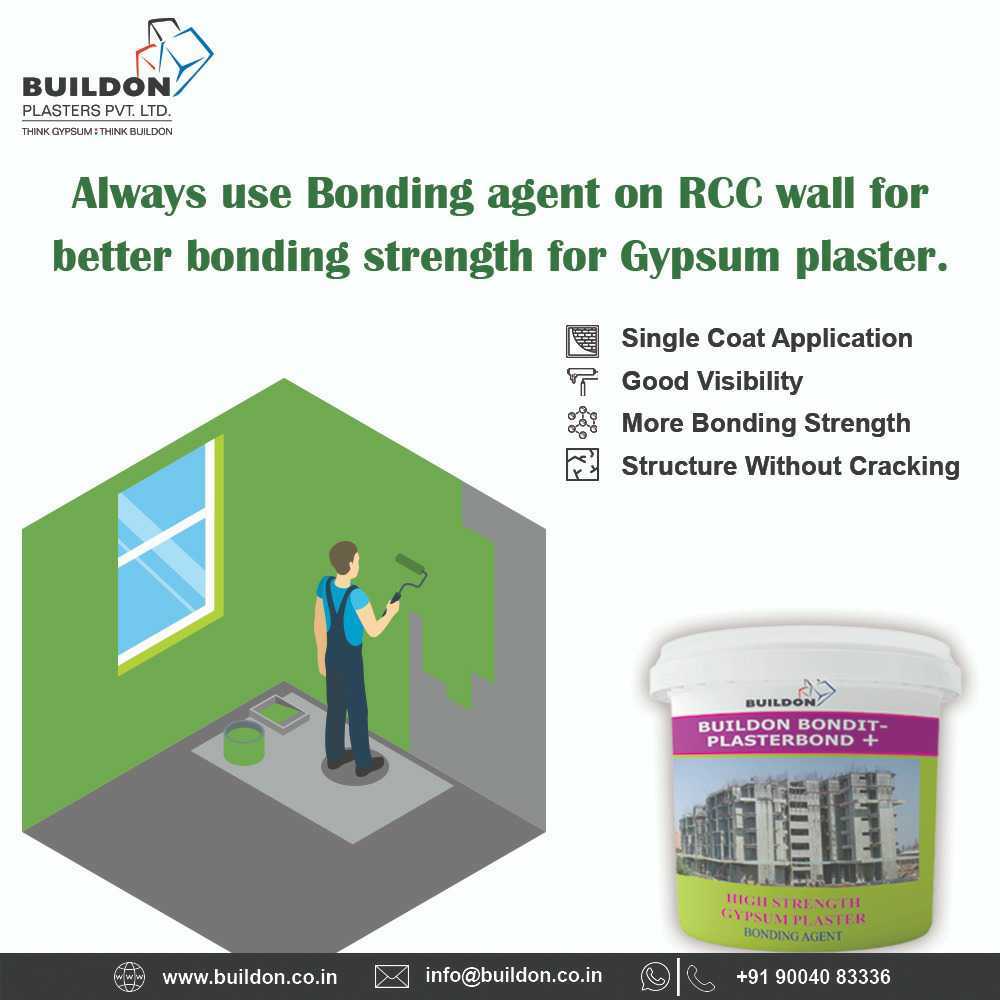
BONDIT is high performance bonding agent for Gypsum on concrete blocks/RCC surfaces. Further it has waterproofing properties and hence it prevents leakages from the cracks in the plaster.
The BONDIT 151 is a cement and gypsum plaster which is the most common forms of plaster utilized in the construction sector. This type of plaster is often applied to the external and interior plastering of the building which forms a protective coating that protects the stone and brick masonry, as well as the RCC walls and ceilings. Furthermore, wall plastering is useful for levelling wall and ceiling surfaces, and textured or stucco plaster and finishes are made using gypsum and cement.
ADVANTAGES
- Ready to apply single coat application
- Very strong chemical bond is created
- No hacking required on concrete surface. Hence prevention of
- microcracking in concrete & saving of labour.
- Coverage is about 100 sft per kg.
- Bonding strength is more than 2kgs/sft.
- PH value is 7-9.
- It is an elastomeric material & hence can withstand movements in the structure without cracking
- Waterproof Coating
- Crack Sealing
- Bonding of Gypsum/Cement
- Plaster to concrete
- Concrete Repairs
- Tile Fixing on walls
- Fixing Tile on Tile
- Clean the concrete surface with brush
- Wash the concrete surface with water one hour before application of Bondit-151
- Fill any depression with mixture of cement, silica sand & Bondit-151 in the ratio of 1:1.50:0.50
- Mix Bondit-151 & cement in the ratio of 1:2
- Apply first coat of mixture on moist concrete
- After4 to 6hrs apply 2nd coat of mixture
- Third coat also can be applied if required
- Fresh coated surface should not be submerged in water for 48 hours
- After air drying for 4 to 6 hrs, cure the coated surface by spraying water for 24 to 48 hours
- Surface is useable after 24hours of treatment
- On terrace for top coat white cement can be used
- Clean the concrete surface
- Apply Bondit-151 with brush or spray machine
- After 30 to 40 minutes when bondit-151 is tacky apply Gypsum Plaster
- Clean & wash old flooring
- Mix Bondit-151 & cement in the ratio of 1:3 to 1:5 to make paste depending on desired viscosity
- Apply cement-Bondit-151 paste on the back of new tile
- Press the new tile on old flooring
- Use the new flooring after 48 to 72 hours
- Make V-groove on the face of the cracks
- Make the crack wet
- Mix Bondit-151 & cement in the ratio of 1:2 & apply on the crack
- Add more cement to the Bondit-151 cement mixture to make suitable paste & fill the crack
- Grey or white cement can be used
- Clean the pocket & wet with water
- Apply in the pocket cement Bondit-151 slurry (2:1 ratio)
- Mix Bondit-151, cement & silica sand in 1:2:4 to 6 ratio & fill the pocket or large cracks etc.
- Wet the already plastered wall with water
- Mix Bondit-151 & cement to desired consistency & apply on the back of tile & fix the tile on plastered surface
Specification
BUILDON Bondit 151 is used for high strength bonding of Gypsum Plaster/Cement plaster to concrete blocks RCC. No hacking Is required
|
Chemical Composition |
Modified Hybrid System. |
|
Physical Appearance |
Milky White Emulsion |
|
Solid Contents |
More than 40% |
|
Viscosity |
1500 cps Max |
|
PH Value |
7-9 |
|
Butt joint strength |
2000gsm/scm |
|
Film Characteristics |
Clear, forms flexible system with cement |
|
Handling & Storage |
Protect from frost. Containers once opened should be shut tightly to prevent contamination. Stocks should be used on a first in, first out basis. |
|
Packing |
20kgs HDPE Jerry cans |
Application Procedure
- Apply With Brush On Dry Concrete Blocks/Rcc.
- Apply Gypsum Plaster Between 1 Hour To 24 Hours Of Bondit Application.
Precautions
If the material goes in the eyes wash with water till the burning stops or immediately visit doctor.
Superior Waterproofing and Bonding
BONDIT 151 effectively seals cracks in plaster, providing robust waterproofing and superior adhesion for gypsum plaster and cement applications. Its powerful formulation ensures long-term protection against moisture intrusion and improves surface integrity for residential, commercial, and industrial projects.
Simple Surface Preparation
Before applying BONDIT 151, ensure the surface is thoroughly cleaned, dried, and free of dust or loose material. Proper preparation enhances the bonding capacity and waterproofing effectiveness of the agent, resulting in a seamless and durable finish.
FAQs of BONDIT 151 Gypsum Bonding Agent:
Q: How should the surface be prepared before applying BONDIT 151 Gypsum Bonding Agent?
A: Ensure that the area is clean, dry, firm, and free from dust or any loose particles. Proper surface preparation is essential to maximize bonding and waterproofing effectiveness.Q: What is the primary benefit of using BONDIT 151 Gypsum Bonding Agent?
A: BONDIT 151 prevents leakages from cracks in the plaster and provides robust bonding between gypsum plaster or cement and surfaces, resulting in a durable, water-resistant finish.Q: When is the ideal time to apply BONDIT 151 during construction or renovation?
A: Apply BONDIT 151 before plastering or coating starts, after ensuring the surface treatment has been completed. This step is crucial to create an effective bond and prevent moisture-related issues.Q: Where can BONDIT 151 Gypsum Bonding Agent be used?
A: It is suitable for use on surfaces that require gypsum plaster or cement application, in any residential, commercial, or industrial setting throughout India.Q: What application process should be followed for BONDIT 151?
A: Apply the agent evenly on prepared surfaces using a brush or roller. After application, allow it to dry as instructed on the product label before proceeding with plastering or cement work.Q: How does BONDIT 151 contribute to waterproofing efficiency?
A: The agent forms a barrier that effectively seals cracks and resists moisture penetration, significantly reducing the risk of water leakage in treated areas.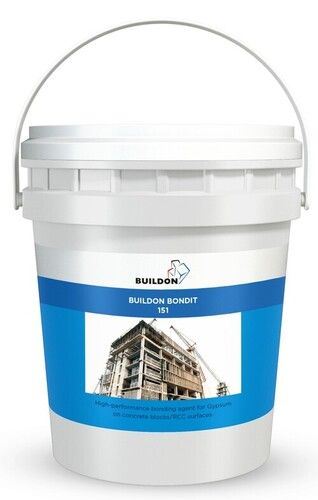

Price:
- 50
- 100
- 200
- 250
- 500
- 1000+

More Products in Bonding Agents Category
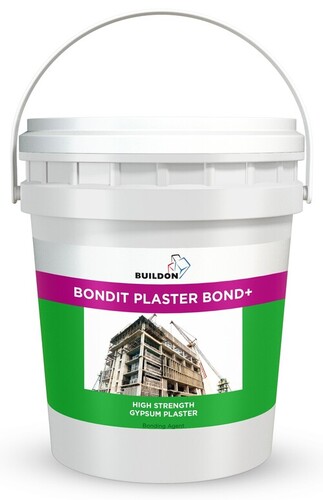
Bondit Plaster Bond Plus
Price 90 INR / Bag
Minimum Order Quantity : 1000 Liters
Purity : High
Adhesive Type : Pressure Sensitive
Physical State : Liquid
Grade : Industrial

GST : 27AAHCB7775P1ZR

 Send Inquiry
|



 |
BUILDON PLASTERS PRIVATE LIMITED
All Rights Reserved.(Terms of Use) Developed and Managed by Infocom Network Private Limited. |
